Is the Tap Water in Ontario, California Safe to Drink?
Lead is not present in Ontario’s source water, and the city does not add it. Where lead turns up in tap water, it enters somewhere between the water main and the faucet — from service lines, solder, brass fittings and fixtures inside individual buildings — which makes it a house-by-house question rather than a citywide one.
Where lead does appear, aging infrastructure is usually the reason. Some older homes and buildings still have lead solder, galvanized pipe or brass fixtures that can leach lead into the water.
Exposure to lead-contaminated water can have severe health consequences. Lead is a neurotoxin that can cause irreversible damage to the developing brains and nervous systems of children. It can lead to cognitive impairments, learning disabilities, and behavioral problems. Pregnant women who consume lead-contaminated water are also at risk, as lead can cross the placenta and harm the developing fetus. Long-term exposure to lead has been linked to cardiovascular issues, kidney damage, and reproductive problems.
Because the risk depends on what your own pipes and fixtures are made of, a citywide result cannot tell you what is coming out of your tap. Testing your own water is the only way to know where your household actually stands. Schedule your free water test today!
From Pipes to People: Addressing Lead Contamination in Ontario’s Water
One of the major health concerns associated with lead exposure is its impact on the nervous system. Lead can cause developmental delays and learning disabilities in children, leading to long-term cognitive impairments. Additionally, it can affect the cardiovascular system, leading to increased blood pressure and an increased risk of heart disease.
Lead exposure is particularly dangerous for pregnant women as it can cross the placenta and harm the developing fetus. It can result in premature birth, low birth weight, and developmental issues in newborns.
For children, the effects of consuming lead-contaminated water are especially high. Once consumed, lead remains in our bodies or ‘bioaccumulates’, as we can’t flush the contaminant from our system. Once there, lead can cause serious behavioral and cognitive problems for children, and over time it can lead to:
- Low IQ
- Hyperactivity
- Slowed, delayed, and stunted growth
- Problems hearing
- Anemia
- Seizures, coma, and possibly even death in severe situations
Furthermore, lead can accumulate in the body over time, causing chronic health problems. It can damage the kidneys, impair the reproductive system, and even lead to cancer.
To address these health concerns, it is crucial for the residents of Ontario to be aware of the potential lead contamination in their water supply. Regular testing of water sources, especially in older homes, is essential to identify and mitigate lead exposure risks.
Lead also crosses the placenta, so it’s especially important for pregnant women to avoid drinking water contaminated with lead. In addition to harming the mother, it can cause stunted fetal growth and premature birth.
For the average adult, lead exposure from water can cause heart and cardiovascular issues, reduce kidney function, and contribute to reproductive problems.
The degree and severity of these issues depends on how much lead you’ve been exposed to, and how much is stored in your body, though governing health authorities like the Centers for Disease Control (CDC) caution that no amount of lead is safe.

How Lead in Ontario, CA Water Is Monitored
Utilities are required to sample for lead at a set number of household taps and report the results each year. Those results are worth reading, and also worth understanding precisely: the 15 parts per billion figure most often quoted is an action level that triggers utility-side corrosion control, not a health-based safety line. There is no level of lead considered safe to consume, and because lead comes from each building’s own plumbing, a sample of homes describes the system rather than your house.
1. Is there lead in Ontario, California’s drinking water?
Lead is not in the source water and the city does not add it. Where lead shows up at a tap, it has come from that building’s own service line, solder, brass fittings or fixtures, so it is a question about your property rather than about the city. Every community water system has to sample for lead at a set number of household taps each year and publish the results in an annual water quality report — your water utility can tell you what its most recent sampling found.
2. How does lead enter the water supply in Ontario, California?
Lead enters tap water from the plumbing between the water main and the faucet — older service lines, lead-based solder, and brass fittings and fixtures — rather than from the source water or the utility’s treatment. Water utilities are required to keep an inventory of the service line materials on their side of the meter, so your water utility can tell you whether your service line has been surveyed. The pipes and fixtures inside the building belong to the property owner, and that is the part a tap test actually measures.
3. How can I test my home for lead in the Inland Empire?
Contact your local Inland Empire Culligan water experts! They will arrive at your home at a time of your convenience to give your water a FREE test for lead and other contaminants. Schedule a free water test today!
4. What should I do if I find lead in my home?
Your local Culligan experts will be able to provide you with personalized recommendations for which water filtration system will best serve your household.
5. How can residents in Ontario, California protect themselves from lead exposure?
Residents can take several steps to protect themselves from lead exposure in Ontario, California. First, it is crucial to regularly test drinking water for lead, especially in older homes or buildings. If lead levels are elevated, using certified water filters can effectively remove lead contaminants. Additionally, residents should be aware of potential lead sources, such as old plumbing fixtures or paint, and take necessary precautions to minimize exposure. Your water utility is also required to publish an annual water quality report and lead information for its customers, and can tell you whether your service line has been surveyed.
Lead is worth taking seriously precisely because it gives no warning. It has no taste, no color and no smell, the health effects fall hardest on children and pregnant women, and the source is the plumbing inside the building rather than anything the utility delivers. That combination means one home can be fine and the house next door not, regardless of what the citywide numbers say, and testing is the only way to tell the difference. Residents can also protect themselves by regularly testing their drinking water, using certified water filters, and being aware of potential lead sources. Get a free water test today!
Lead In Your Ontario Drinking Water
In the U.S., 14-20% of lead exposure is attributed to drinking water. Municipalities have taken action over the past 30 years to ban lead solder, reduce corrosivity and remove lead from brass faucets and water meters, and these measures have significantly helped exposure issues.
Lead lends itself very easily to building pipes – like those used for transporting water. It’s malleable, relatively cheap to use and, as a result, its use in plumbing dates back to early Roman cities. Lead piping was also the standard in the United States until the 1920s and 30s, when concerns about lead poisoning became better understood.
How Lead Enters Drinking Water Systems
The most common way lead can enter a drinking water system is through corrosive aging pipes and plumbing infrastructure. Many homes, and sometimes entire communities, have plumbing infrastructure that has not been updated for decades, and sometimes more than a century.
These homes are at high risk for lead contamination, even if the water coming through it has been properly treated.
When pipes, fitting or solder have become corroded, water can become contaminated.
Proactive Prevention: The Best Deterrent
The best way to avoid a lead problem is to never have one. Despite the ongoing issues in many cities throughout America, many homeowners are simply not keen on getting a simple water test.
A test can determine whether your household has lead in its tap water, and whether that exposure can be reduced in the interim by flushing the tap for a specified amount of time. Knowing this can be the difference between your family being exposed to lead in tap water and avoiding it altogether.
Synopsis of Flint Crisis

The Flint Crisis was a situation where the water was improperly treated – specifically, a severe act of negligence on the part of public officials failing to add corrosion inhibitors to the water. Given the heightened sense of awareness and knowledge of the issue, a repeat on that scale is far less likely today.
However, that doesn’t mean all water in your home is safe. Even treated water can leach lead into its supply if your pipes or fixtures are made of lead.
The final tally on the Flint Water Crisis, which included e.coli bacteria, THMs, lead, and a Legionnaire’s disease outbreak, resulted in 6,000 to 12,000 children exposed to lead and a slew of lawsuits, investigations, resignations and criminal indictments.
Solutions
Suggested Products

The Aquasential® Smart Reverse Osmosis Water Filter (RO)
- 7 stages of filtration and 12 filter options
- Certified for reduction of 58 contaminants
- 2-in-1 sediment and carbon filter screens out sediment and particles
- Can alert you and your dealer when service or filter replacements are needed
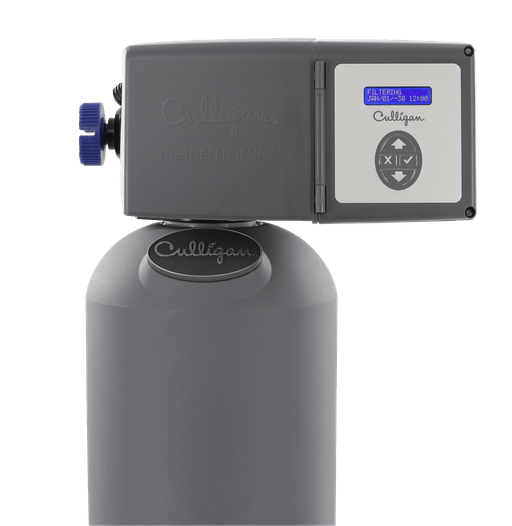
Aquasential™ Smart High Efficiency Whole House Water Filters
Reduce sediments in your water and contaminants that cause your water to appear, taste, and smell unpleasant. Your system can also lessen the taste and odor of chlorine, and prevent pipe damage and staining from low pH water. Additional customizations include:
- Culligan® Filtr-Cleer® Water Filters – Reduces Sediment Problems
- Culligan® Cullar® Water Filters – Reduces Taste and Odor Problems
- Culligan® Cullneu Water Filters – Reduces Acid Problems

Facebook